Discover an Extraordinary Way to Burn Wood
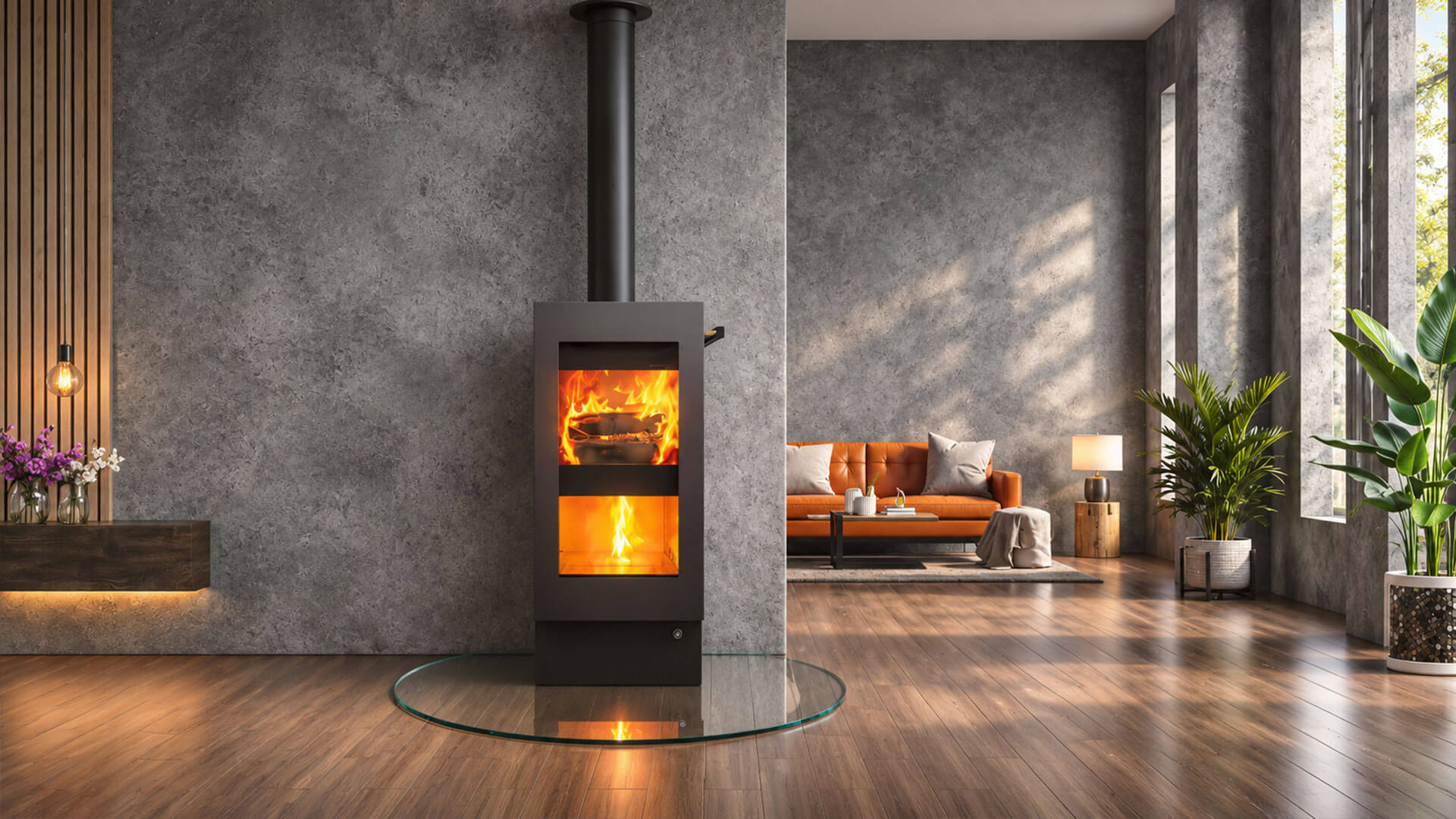
Imagine a woodburning stove where flames burn not only upwards, but downwards as well.
A traditional wood fire burns within the upper combustion chamber, whilst a spectacular second flame develops beneath it, creating a visual experience unlike that of a conventional woodburning stove.
This is Xeoos TwinFire.
Developed in Germany and commercially available since 2002, TwinFire is an innovative combustion system designed to make more effective use of the energy contained within firewood.
Why Does TwinFire Have Two Combustion Chambers?
When wood is heated, it releases combustible gases. These gases contain energy that can be converted into useful heat when burned under suitable conditions.
Many modern woodburning stoves incorporate secondary combustion technology, introducing additional air to help burn these gases within the main combustion chamber.
Xeoos takes a different approach.
Rather than relying solely on combustion within the primary firebox, TwinFire introduces a separate lower combustion chamber, specifically designed to burn the combustible gases released by the fire above.
The result is a distinctive two-stage combustion process.
How Does TwinFire Combustion Work?
Stage One – Establishing the Fire
The fire is initially lit within the upper combustion chamber, operating in a similar way to a conventional woodburning stove.
As the fire develops, the combustion chamber and chimney warm up, establishing the natural draught required for TwinFire operation.
Stage Two – Activating TwinFire
Once the appropriate operating conditions have been established, the TwinFire system is activated.
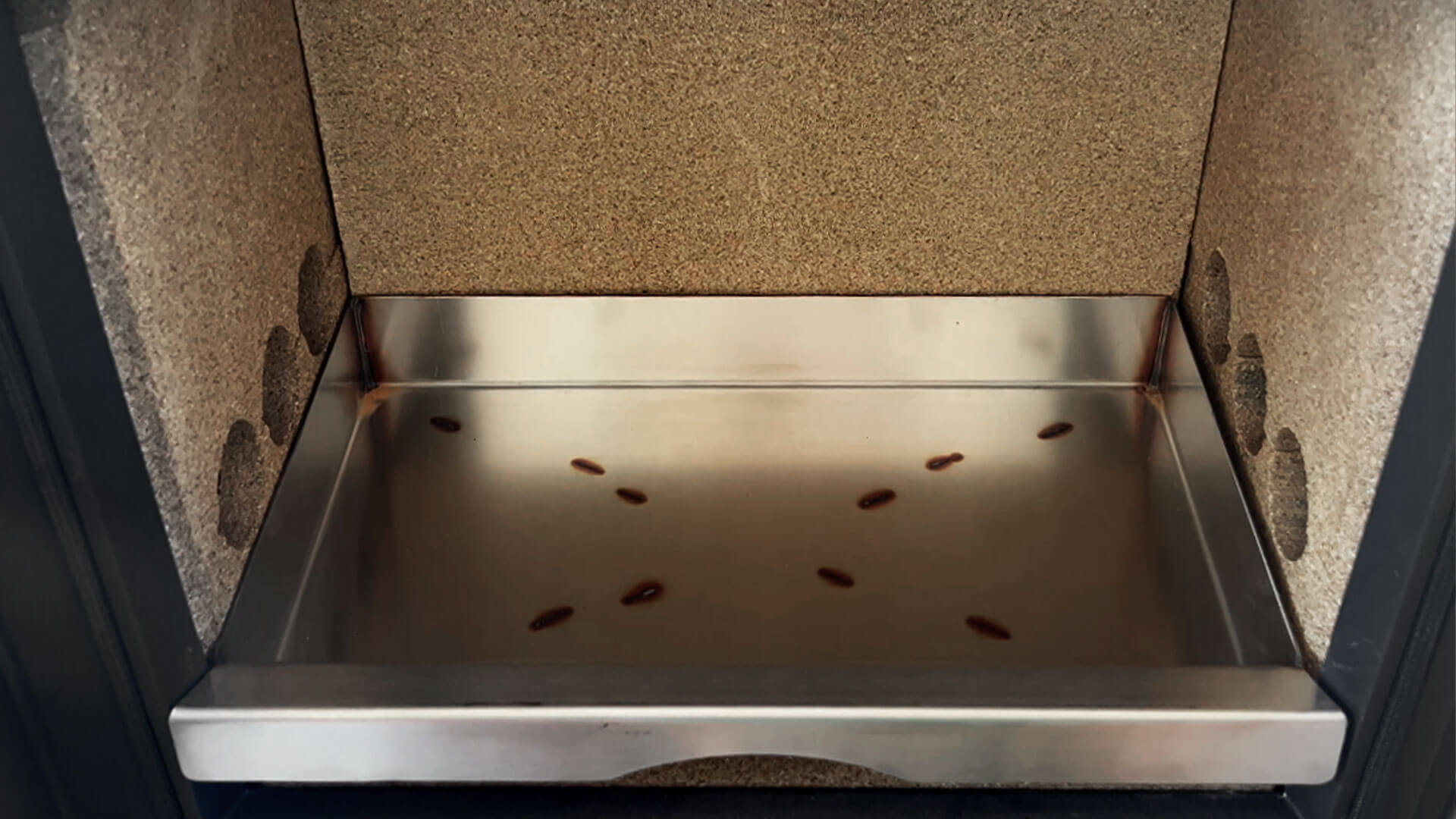
The combustion gas pathway changes, allowing the natural chimney draught to draw combustible gases downwards through the hot ember bed and the specially designed TwinFire Rost.
Stage Three – Creating the Second Flame
As the gases enter the lower combustion chamber, they combine with additional combustion air and ignite.
This produces the spectacular downward flame, with secondary combustion temperatures that can reach approximately 1,200°C under suitable operating conditions.
Energy released during this process contributes to the useful heat generated by the stove.
Is TwinFire a Wood Gasification Stove?
TwinFire incorporates principles of wood gasification into a domestic woodburning stove.
Wood gasification involves the release of combustible gases from wood through heating, followed by the combustion of those gases.
The dedicated lower combustion chamber within a Xeoos creates a particularly distinctive and visible example of this process.
Unlike many wood gasification boilers, TwinFire is designed to provide both practical domestic heating and an extraordinary visual experience.
What Are the Benefits of TwinFire Combustion?
The second combustion chamber is much more than a visual feature.
By creating suitable conditions for burning combustible wood gases, TwinFire is designed to extract additional useful energy from the fuel whilst helping reduce products of incomplete combustion.
Manufacturer-published testing has demonstrated the following potential benefits:
High combustion efficiency.
Reduced firewood consumption.
Reduced residual ash.
Lower emissions of certain combustion pollutants.
A spectacular double-flame display.
Independent testing conducted by OMNI Laboratories in the United States recorded efficiency of approximately 93%.
Xeoos has also reported reductions of approximately 40% in firewood consumption and residual ash when comparing TwinFire operation with a Xeoos stove operating without TwinFire mode activated.
These figures relate to specific tests and comparison conditions. Actual performance depends on the appliance, fuel, installation and operating conditions.
Does a TwinFire Stove Need Electricity?
The original TwinFire combustion system operates using natural chimney draught and manually operated controls.
It does not require an electrically powered fan to create the downward flame.
Selected Xeoos models are also available with E-Flame technology, which introduces electronic combustion air management.
The Aqua collection uses electrical power for its active water heating function, whilst retaining the original TwinFire combustion principle.
Is TwinFire Difficult to Operate?
Operating a TwinFire stove involves an additional step compared with many conventional woodburning appliances: activating TwinFire mode once suitable operating conditions have been established.
Once familiar with the process, users can enjoy the traditional experience of burning wood alongside the extraordinary secondary flame.
As with any woodburning stove, correct installation, suitable dry firewood, adequate chimney draught and adherence to the operating instructions are essential.
The Original TwinFire Experience
The Xeoos TwinFire system has been developed and refined over more than two decades.
Today, it is available across a collection of contemporary freestanding woodburning stoves, architectural inset fireplaces and innovative water heating appliances.
If you are looking for something genuinely different from a conventional woodburning stove, discover the original TwinFire experience for yourself.