Understanding the Two Combustion Chambers
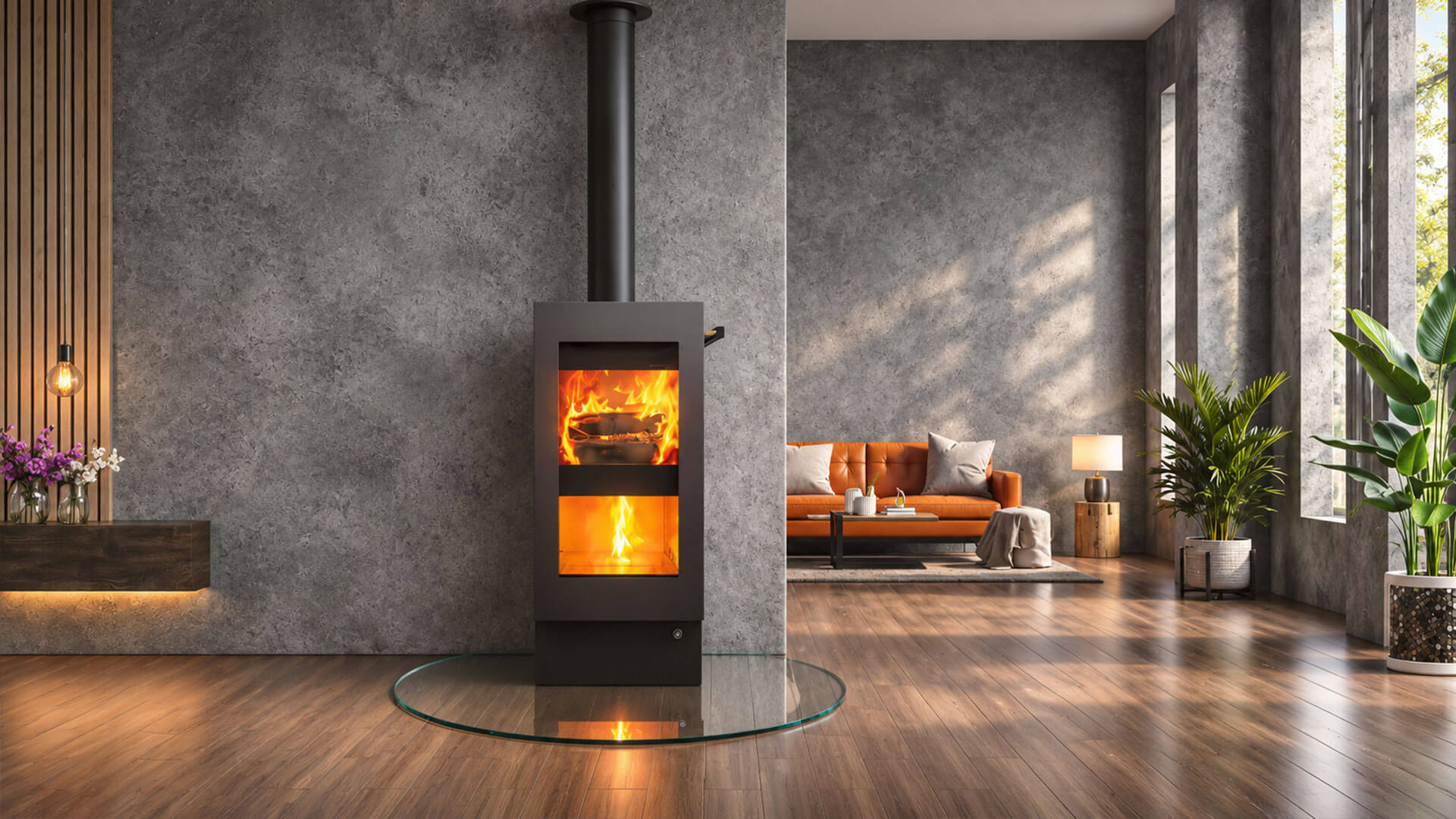
Unlike conventional woodburning stoves, which typically feature a single combustion chamber, every Xeoos TwinFire incorporates two separate combustion chambers.
The upper chamber contains the burning firewood, whilst the lower chamber is where combustible wood gases ignite to produce the distinctive downward flame.
Both chambers contain carefully designed refractory lining components that help protect the internal construction of the stove and maintain the temperatures required for effective combustion.
What Are TwinFire Firebricks Made From?
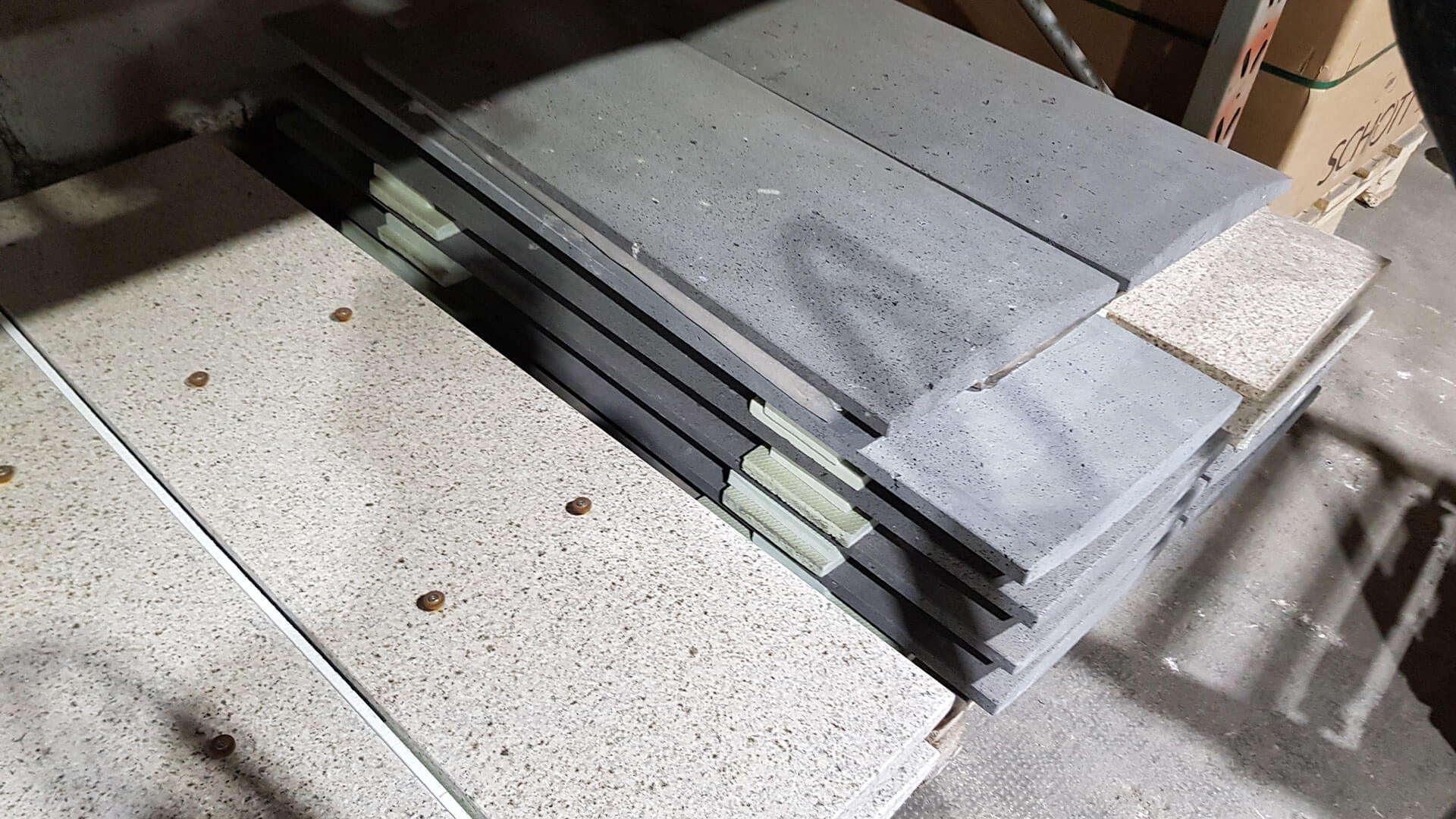
Many of the internal lining components within a Xeoos are manufactured from vermiculite.
Vermiculite is a lightweight, heat-resistant material with excellent thermal insulation properties. It helps retain heat within the combustion chambers whilst protecting the surrounding steel construction from direct exposure to the fire.
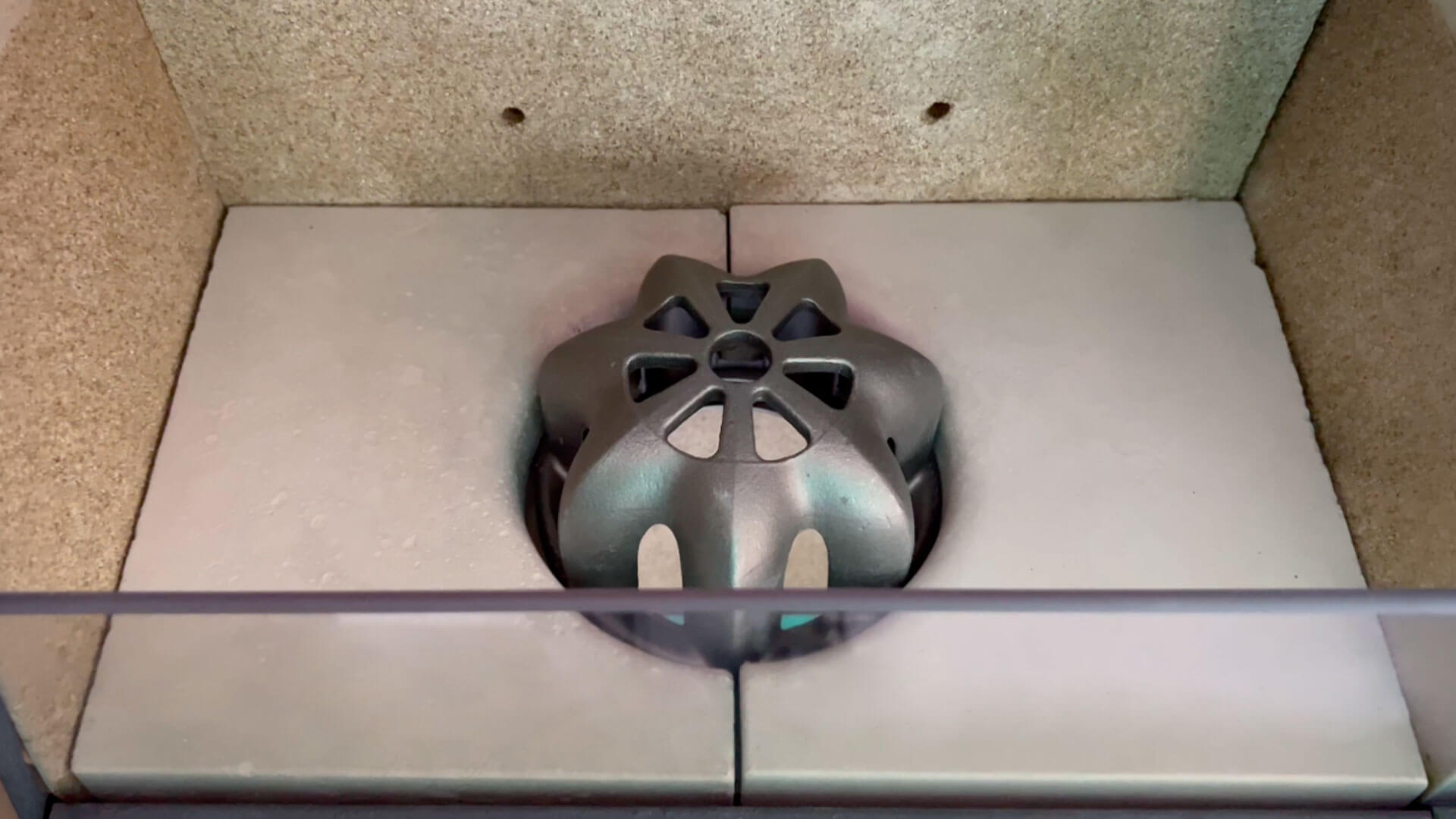
The base of the upper combustion chamber also incorporates specially shaped refractory components surrounding the TwinFire Rost. These are manufactured from a different material and form an important part of the high-temperature combustion assembly.
Although these components are commonly referred to collectively as firebricks, they are not all made from the same material or designed to perform the same function.
Upper Combustion Chamber Firebricks
The upper combustion chamber is where firewood is initially loaded and ignited.
Its internal lining typically includes:
- Left and right side bricks.
- Rear firebrick.
- Shaped upper side bricks.
- Upper baffle brick.
- Refractory base lining surrounding the TwinFire Rost.
Together, these components form the insulated environment required for the primary combustion process.
The base assembly is particularly important, as combustible gases pass through the central Rost during TwinFire operation before entering the lower combustion chamber.
Lower Combustion Chamber Firebricks
The lower combustion chamber is responsible for creating the spectacular second flame.
Its lining components typically include the rear firebrick, shaped side bricks and bottom firebrick, depending on the model and generation of the stove.
The correct positioning of these components is particularly important because the lower chamber operates at exceptionally high temperatures during TwinFire combustion.
Some bricks incorporate specific openings or shaped sections that form part of the original combustion air arrangement. Replacement components must therefore match the intended design, rather than simply filling the available space.
Is It Normal for Firebricks to Crack?
Firebricks are exposed to repeated heating and cooling cycles throughout their lifetime.
Small surface cracks can develop as a result of thermal expansion and normal use. A minor crack does not necessarily mean that the brick requires immediate replacement, provided it remains stable and continues to protect the surrounding stove construction.
Replacement should be considered when bricks:
- Become loose or unstable.
- Break into separate pieces.
- Begin to crumble significantly.
- Expose the underlying steel construction.
- Lose their original shape or essential features.
If you are unsure whether a damaged lining remains suitable for continued operation, contact us for advice before using the stove again.
Why Do Vermiculite Bricks Become Discoloured?
During lighting, particularly when the combustion chambers are still relatively cold, soot can accumulate on the internal firebrick surfaces.
As the fire develops and the combustion chamber reaches a higher temperature, this dark discolouration may burn away.
This is a normal characteristic of woodburning and can provide a useful visual indication that the upper chamber is reaching its operating temperature.
Persistent black deposits may indicate unsuitable fuel, insufficient combustion air or operating temperatures that are too low.
Can Individual Firebricks Be Replaced?
Yes. In many cases, there is no need to replace the complete combustion chamber lining simply because one individual component has become damaged.
Our Xeoos spare parts store offers individual replacement bricks and selected lining sets, allowing you to replace the appropriate component.
However, if several bricks are significantly worn, it may be worth inspecting the entire combustion chamber and replacing other deteriorated components at the same time.
Choosing the Correct X5 or X8 Firebrick
The X5 and X8 combustion chambers differ in their physical dimensions, meaning many of their internal lining components are not interchangeable.
Some components are shared between models, whilst others differ according to stove size, chamber location or production generation.
When purchasing replacement firebricks, always identify:
- Your stove model.
- Whether it is an X5 or X8.
- The upper or lower combustion chamber.
- The position of the component.
- The age of your appliance, where relevant.
Older Xeoos appliances may feature a different Rost and base lining arrangement from current models.
Maintaining Your Firebricks
Vermiculite is highly effective as a thermal insulating material, but it is relatively fragile.
Avoid throwing logs into the combustion chamber, striking the internal linings with metal tools or removing the bricks unnecessarily during routine cleaning.
Allow the stove to cool completely before carrying out maintenance. Any removal or replacement of internal components should follow the instructions for your particular appliance.
Our genuine Xeoos firebricks are designed to restore the original combustion chamber arrangement, helping maintain the performance and distinctive character of your TwinFire stove.